When should my child see an orthodontist?
Choosing the right time plays a decisive role in orthodontics for adolescents and children. We recommend having an initial check-up carried out from around the age of six. You should visit our practice with your child at the latest after the permanent incisors in the Upper Jaw have erupted. This is usually between the ages of 9 and 12. An early diagnosis enables us to determine the optimal time to start treatment. We take into account individual growth patterns and the specific development of your child. The great advantage of early treatment is that we can use the natural growth processes for correction. The duration of treatment is considerably shorter in children than in adults. In addition, many malocclusions are easier to correct when the jawbones are still growing. At moderndentistry in Leipzig, we carry out comprehensive diagnostics to determine whether and when orthodontic treatment is appropriate for your child.
Why is orthodontic treatment necessary for children and adolescents?
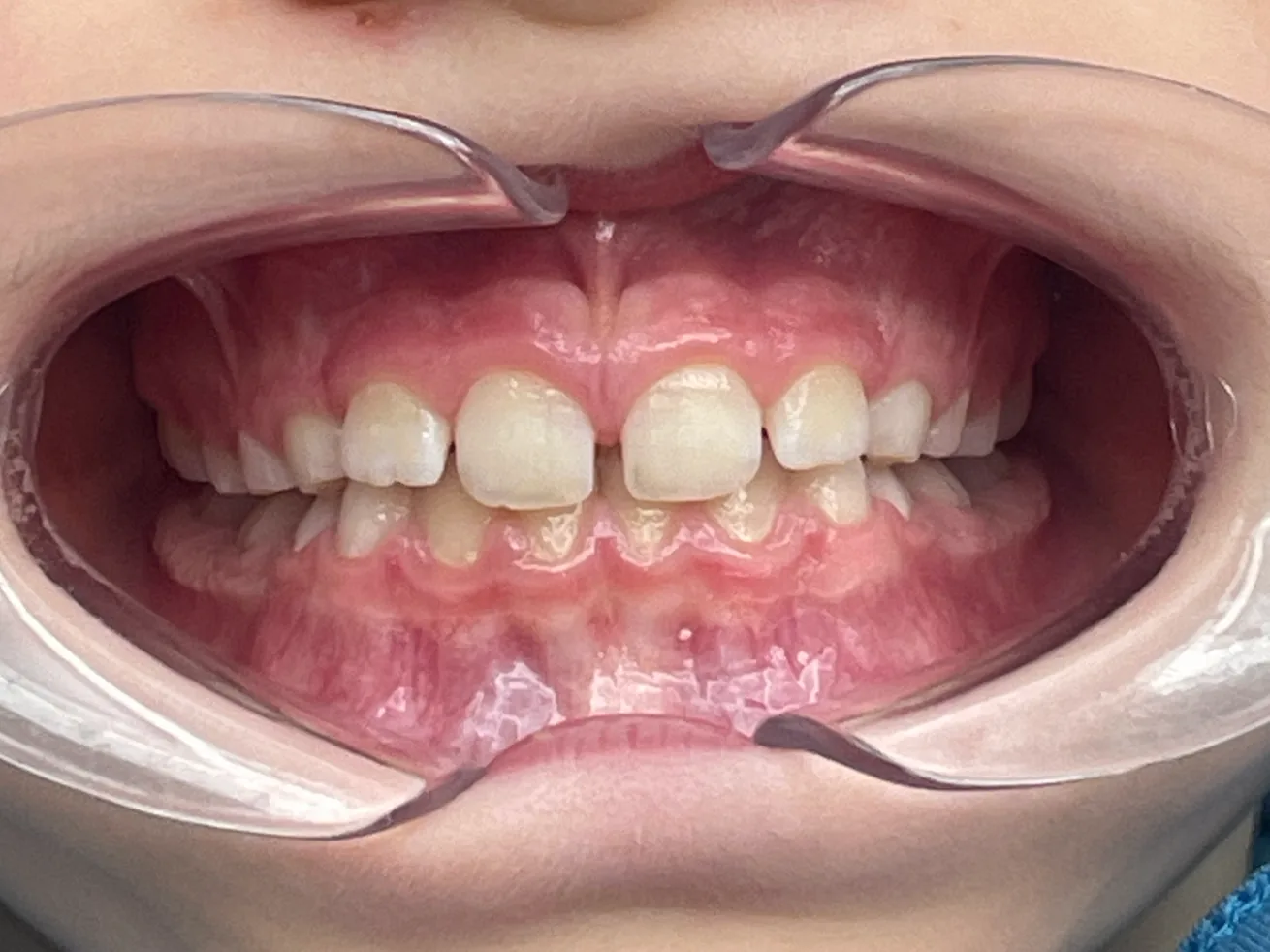
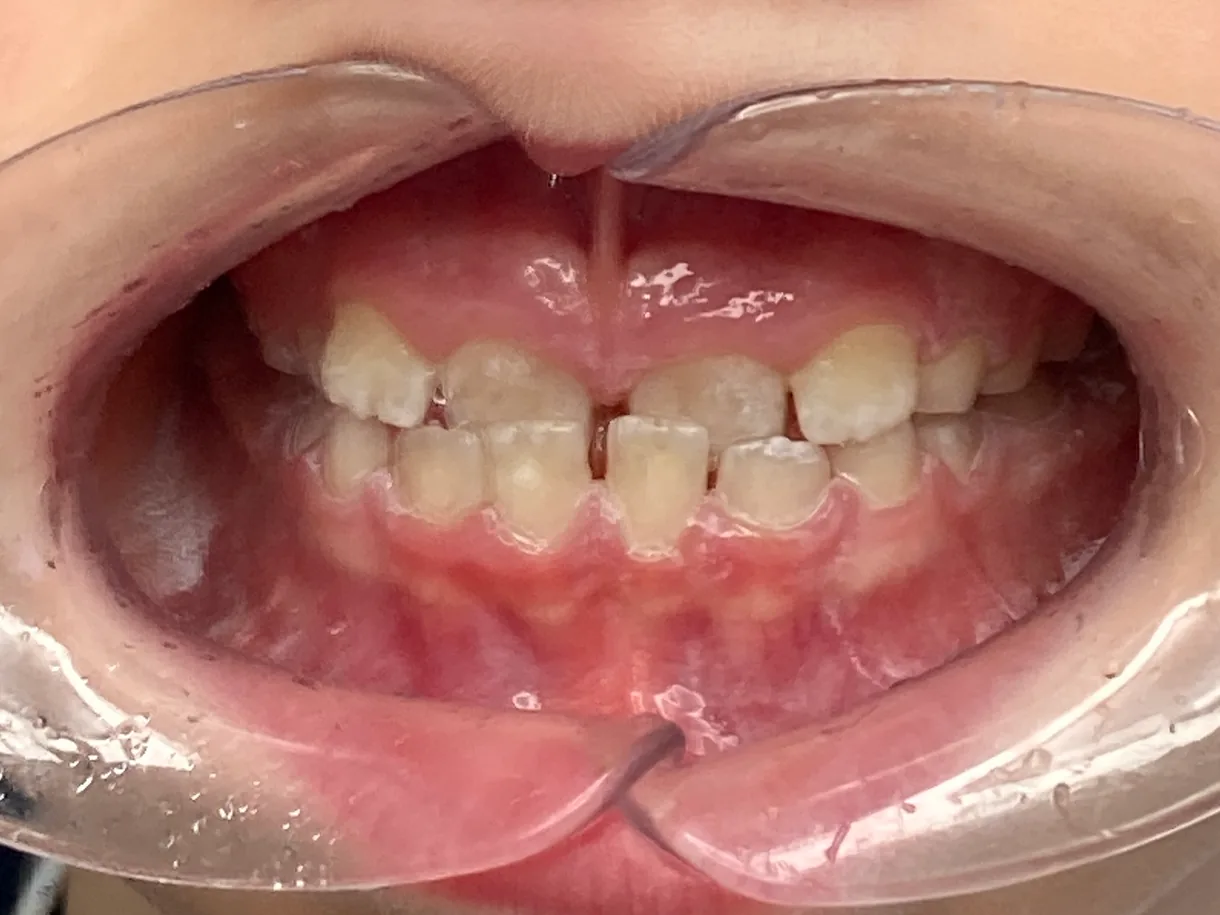
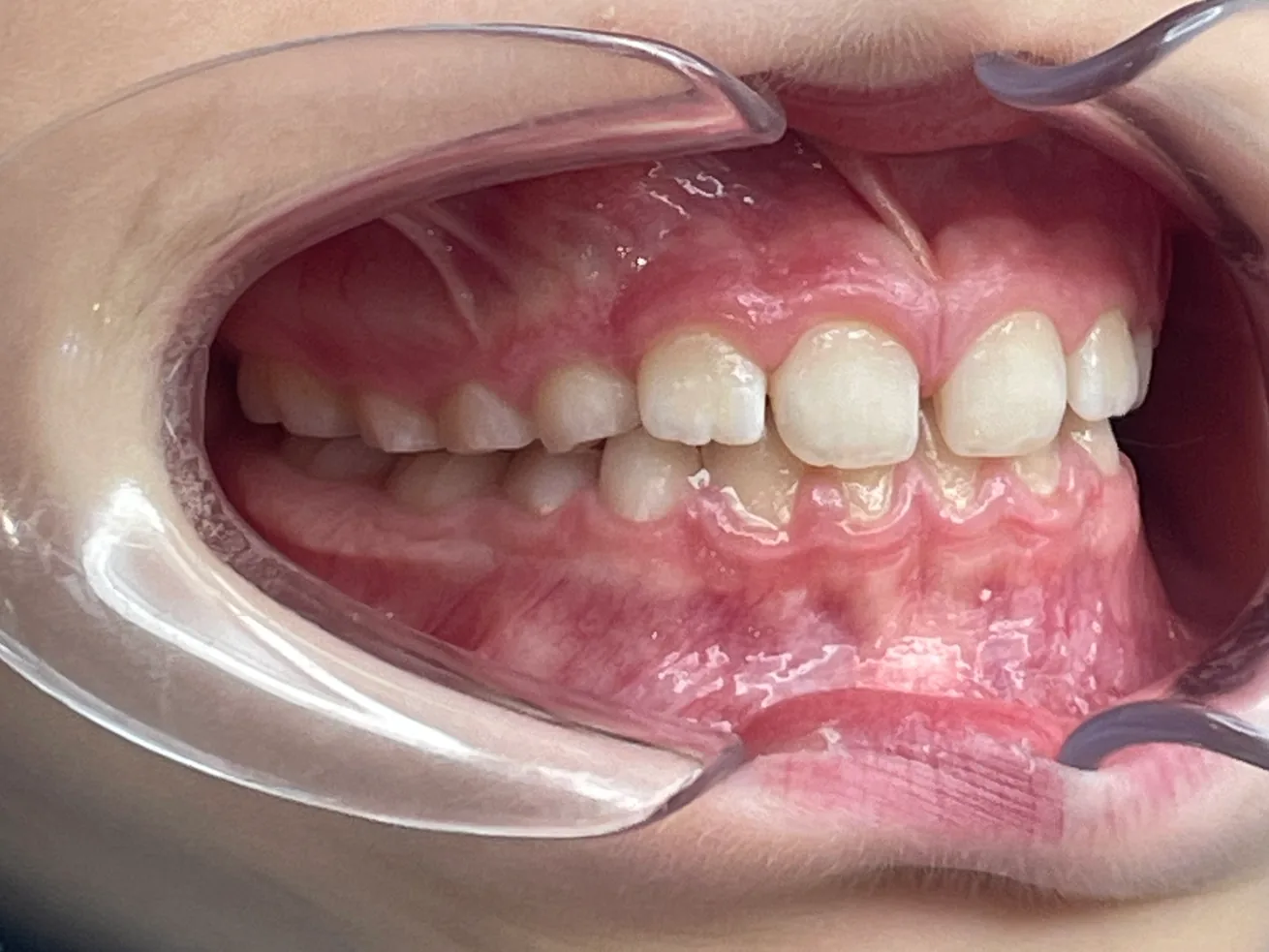
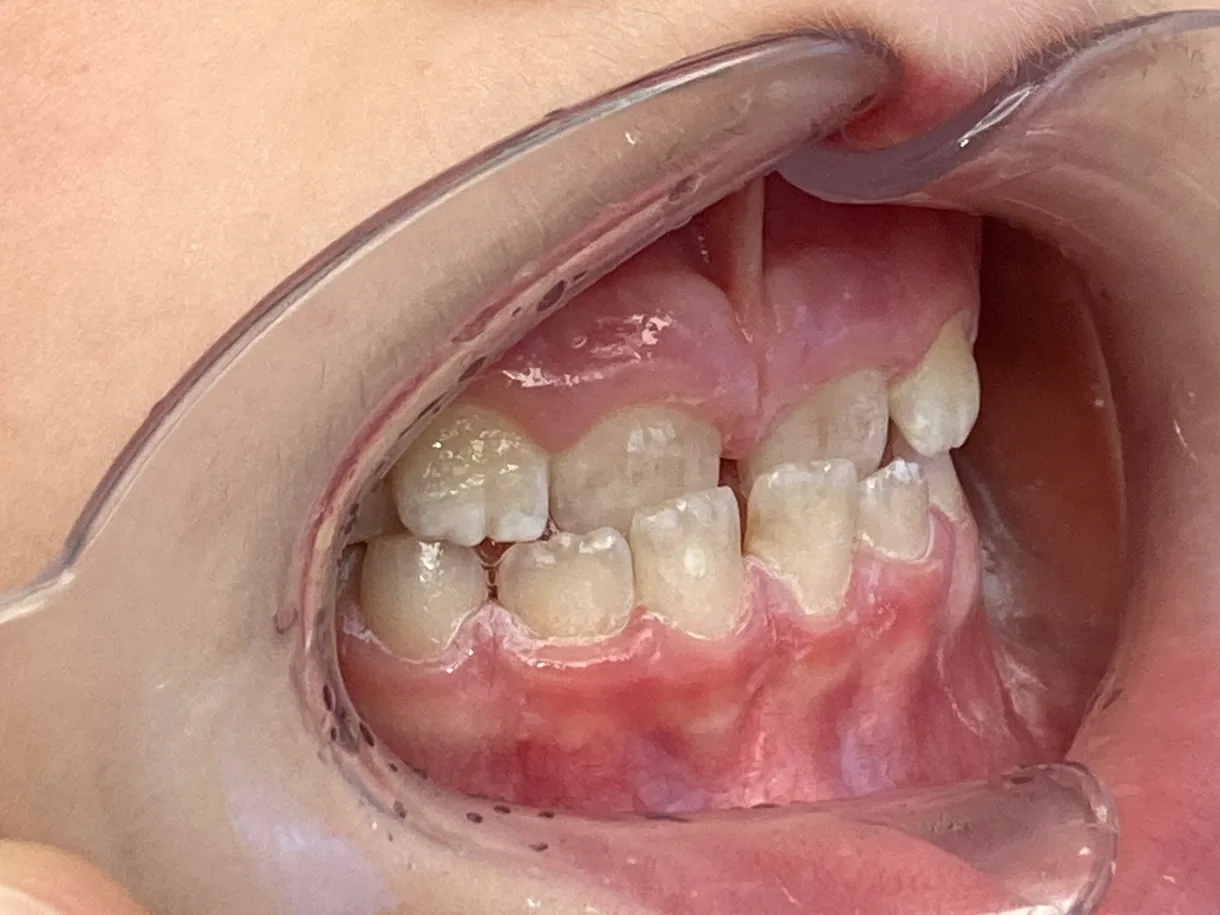
Misaligned teeth and jaws can have a variety of effects on your child's health and well-being. Braces for children are not only for aesthetic purposes, but also have functional significance. Misalignments can lead to uneven pressure, which can damage the teeth in the long term and affect the periodontium and jawbone. The temporomandibular joint and chewing muscles can also be affected. In addition, certain misalignments make oral hygiene considerably more difficult. Hard-to-reach interdental spaces increase the risk of caries and periodontitis. Depending on the type of misalignment, speech development can also be impaired, which affects your child's ability to communicate. The psychological aspect should not be underestimated either: many children and adolescents suffer from their misaligned / crooked teeth and feel uncomfortable. Braces for adolescents can significantly boost self-confidence and contribute to positive personality development. At our practice, we take these concerns seriously and offer sensitive, symptom-based therapy.
What types of braces are available for children?
At moderndentistry in Leipzig, we focus on modern, aesthetic solutions for pediatric orthodontics. Which braces are the right one for your child depends on various factors—in particular, the type and severity of the misalignment and your child's age. We want to find the optimal solution for every young patient, achieving lasting results in the shortest possible time.
Fixed braces made of IDB ceramic brackets: The modern version of classic brackets is made of tooth-coloured or transparent ceramic and is much less noticeable than conventional metal brackets. These braces for children offer the advantage of continuous force application and are particularly suitable for moderate to complex malocclusions. IDB ceramic brackets are robust, durable, and hardly noticeable in everyday life.
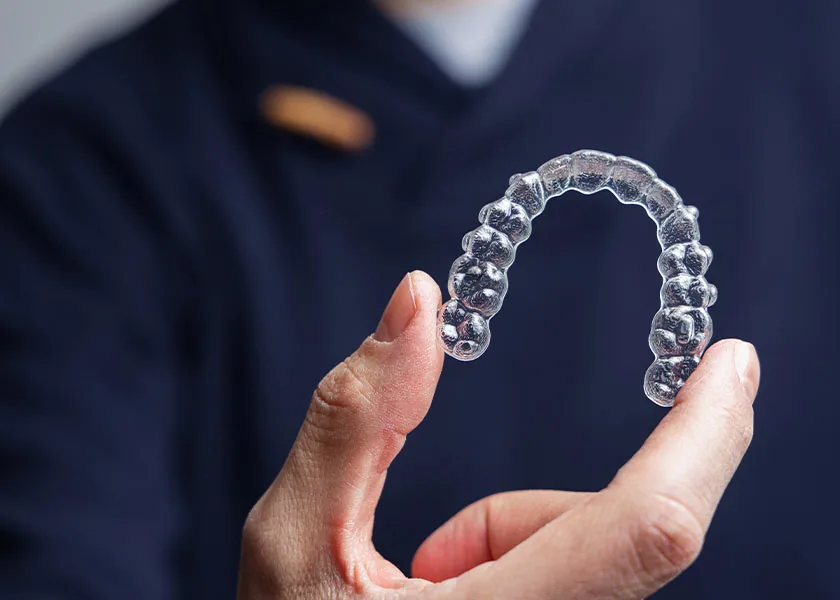
Aligners (Invisalign): For teenagers, transparent aligners offer a virtually invisible alternative. The removable aligners allow for flexible treatment without restrictions on eating and on oral hygiene. They are particularly suitable for responsible teenagers who are willing to wear the aligners consistently. At moderndentistry, we provide you with detailed advice on the advantages and disadvantages of the various systems and work with you to find the right solution for your child.
Is your child's airway clear?
An often overlooked aspect of orthodontics for adolescents and children is the airway. A restricted airway can have serious consequences for your child's growth and development. Symptoms such as snoring, mouth breathing, bedwetting, or difficulty concentrating can be indications of airway problems. Behavioural problems, mood swings, and teeth grinding are also often associated with restricted breathing. Particularly noteworthy: studies show that 25 percent of children with ADHD snore. For many of these children, the symptoms could be significantly improved with the treatment of the airway problems. At our modern dentistry practice, we systematically take the airway into account in our diagnostics. If restricted airways are detected, we can take orthodontic countermeasures to widen the airway. This not only contributes to general health, but also supports your child's normal development.