Periodontitis is a bacterial inflammation of the periodontium, which affects the gums, jawbone, and fibres that anchor the teeth in the bone. Colloquially it is often called "periodontosis"; the medically correct term for the inflammatory disease is periodontitis, whereas periodontosis strictly speaking describes a non-inflammatory recession of the periodontium. In our practice, we distinguish between reversible gingivitis, a superficial inflammation of the gums, and more profound periodontitis, which already attacks the supporting tissue of the teeth. Periodontitis usually begins as gingivitis due to bacterial plaque on the gum line. Without appropriate treatment, the bacteria penetrate deeper into the tissue and form so-called gum pockets. These bacterial niches can no longer be reached with home oral hygiene. Our dentist Dr Niels Hoffmann will be happy to explain the exact difference between the various stages of the disease. Timely periodontal treatment can prevent the transition from reversible gingivitis to irreversible periodontitis, thus maintaining your dental health in the long term.
What causes Periodontitis?
The main cause of periodontitis is bacterial deposits, also known as Plaque, which accumulate at the gum line. These deposits are caused by poor oral hygiene and harden over time to form calculus. Certain types of bacteria in Plaque produce toxins that damage the gum tissue and trigger inflammatory reactions.
Various risk factors contribute to the development of periodontitis. Smoking is one of the most important risk factors, as nicotine impairs blood circulation in the gums and weakens the immune system. Diabetes mellitus also significantly increases the risk of periodontitis. Stress, hormonal changes during pregnancy or menopause, and genetic predisposition can also contribute to the disease.
At our modern dentistry practice, we take a detailed medical history to identify individual risk factors. Dr Niels Hoffmann will advise you comprehensively on possible causes and work with you to develop prevention strategies. Regular professional teeth cleaning and optimal oral hygiene at home are the most important preventive measures against periodontitis treatment.
How is Periodontitis diagnosed and treated?
Periodontitis is diagnosed through comprehensive diagnostics in our practice. Our dentist, Dr Niels Hoffmann, first measures the depth of the gum pockets with a special probe. Healthy gum pockets are a maximum of 3 mm deep. Deeper pockets indicate Periodontitis. In addition, we assess gum bleeding and tooth loosening and, if necessary, take X-rays to document bone loss.
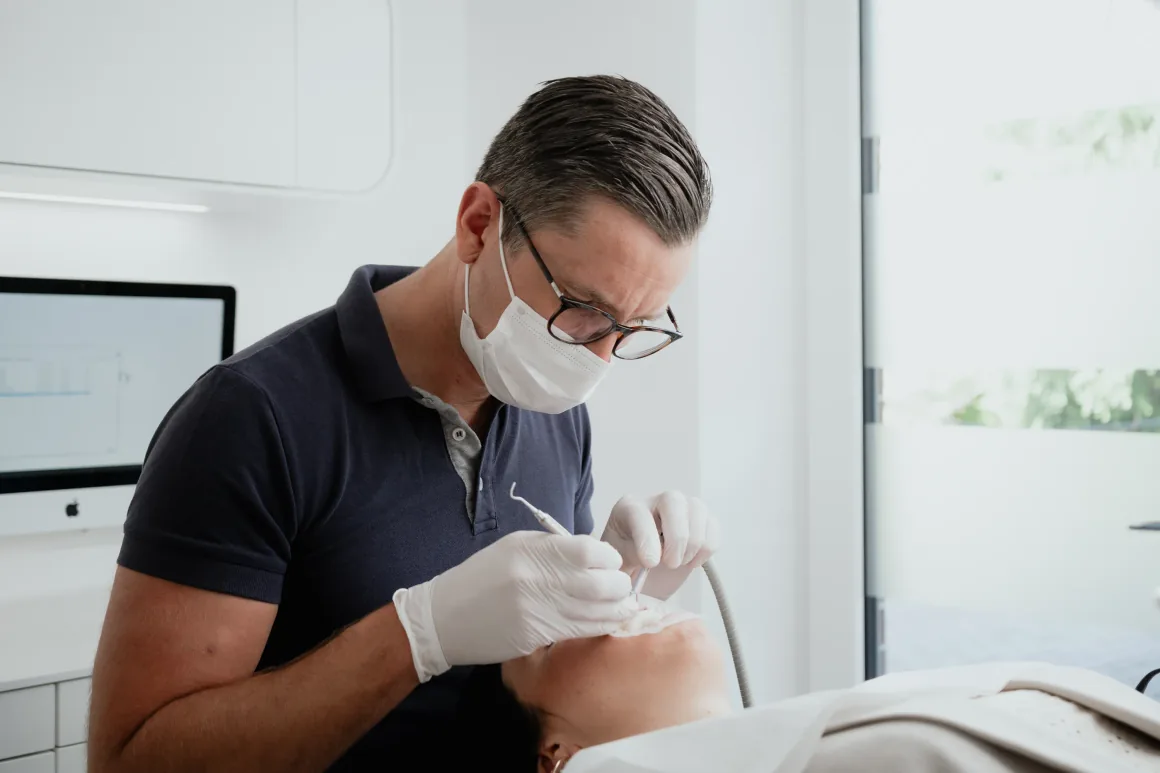
Modern periodontal treatment is minimally invasive and usually painless. The therapy focuses on the mechanical removal of all bacterial plaque and calculus from the tooth root surfaces. This is done with special hand instruments and ultrasonic devices. For deeper pockets, local anaesthesia can make the treatment more comfortable.
In severe cases, we supplement mechanical therapy with additional measures. These may include antibiotic rinses of the pockets or, in special cases, the administration of antibiotics. Our team develops an individual treatment plan for each patient, tailored to their specific needs and the severity of the disease.